



Deflate-DTC

The Burdens of Living With HAE

No matter how severe, every HAE attack brings pain, disruption, and distress.
Then, as soon as one attack ends, the worry and anxiety over the next one begins.

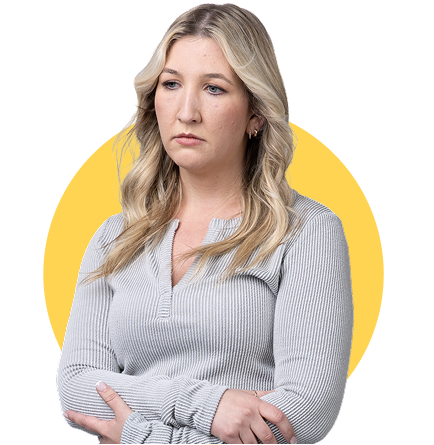
Emotional


  • HAE can induce near-constant worry over when the next attack will strike
  • Heightened anxiety at the first sign of an attack, not knowing how severe it will be
  • Embarrassment and shame among friends, coworkers, and strangers

Emotional


So if I’m swelling, emotions are heightened, absolutely. There is a sense of panic that occurs during a swell.

—Gabby, real person living with HAE

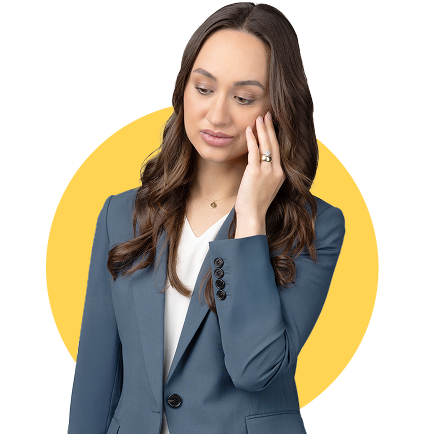
Occupational


  • Potential worry over limits on job options and perceived lack of career growth
  • Possible fears of being seen as undependable or unproductive by coworkers

Occupational


Medical school is very competitive, and I do not want to be considered a weak link by my colleagues.

—Emma, real person living with HAE

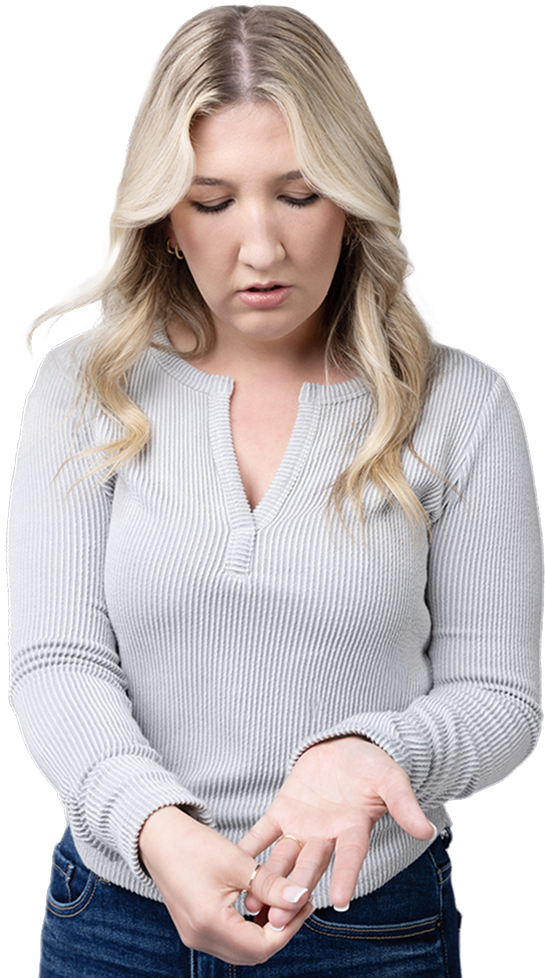
Social


  • Avoiding social events out of fear of having an attack and feeling embarrassed in public
  • Difficulties dealing with the stigma of having a rare and potentially isolating disease
  • Feeling isolated due to others’ lack of disease awareness and understanding

Social


One of the biggest challenges of having HAE from my perspective is there are times where I may have to cancel plans last minute, and some may view that as being a bit flaky.

—Kevin, real person living with HAE

Children


  • Concerns over children missing classes, practices, or events, resulting in repeatedly being held back from important childhood milestones
  • Children may not understand why they are unable to participate in contact sports, such as football,
rugby, or martial arts

Children


For me, the biggest burden with these medicines is traveling with them. Two of my sons have HAE, so between the three of us, our medications and
supplies take up a whole carry-on!

—Jamie, real person living with HAE

Women and HAE

The burden of HAE is higher in women, particularly those of childbearing age.

Women may be more affected by HAE due to increased estrogen levels and hormonal changes.
Changes in female sex hormones—such as during puberty, menstruation, use of birth control, pregnancy, and menopause—can all affect the frequency and severity of HAE attacks.
Adolescents with menstrual disorders are sometimes prescribed birth-control pills, which contain hormones that can trigger an
HAE attack.
Family planning decisions may be complicated by the realities of managing HAE.

Explore more helpful resources, including “The Guide for Women with HAE” and the HAE TrackR app.

Adolescents and HAE

A challenging time made even harder by an unpredictable, disruptive disease
While their experiences are similar to adults in many ways, there are unique aspects of being an adolescent with HAE. They can experience a significant impact on their schooling as well as on their social and emotional functioning.
  • Signs of HAE usually appear when people are young, either in childhood or as a teenager
  • Attacks may become more frequent and severe during and after puberty
In a study of adolescents aged 12 to 17 with HAE:

Some reported feeling different from their peers and said they had missed childhood events such as sleepovers, parties, and spending time
with friends.

HAE attacks caused them to withdraw socially, isolating themselves to avoid potential attacks, or avoiding being seen if they were experiencing swells.

Some reported feeling self-conscious and experiencing episodes of bullying or teasing due to being different or having a visible swell.

HAE, hereditary angioedema.

When people have questions about your HAE, here are 10 facts to help get them informed. 
Join us in finding a path beyond the burdens of HAE.