Deflate-DTC

The Biology of Bradykinin & HAE

Most cases of hereditary angioedema stem from an inherited defect in the SERPING1 gene that controls production of C1-inhibitor (C1-INH) proteins.
C1-INH proteins are the body’s built-in mechanism for properly controlling the pathway that leads to bradykinin production.
Most cases of hereditary angioedema stem from an inherited defect in the SERPING1 gene that controls production of C1-inhibitor (C1-INH) proteins. C1-INH proteins are the body’s built-in mechanism for properly controlling the pathway that leads to bradykinin production.

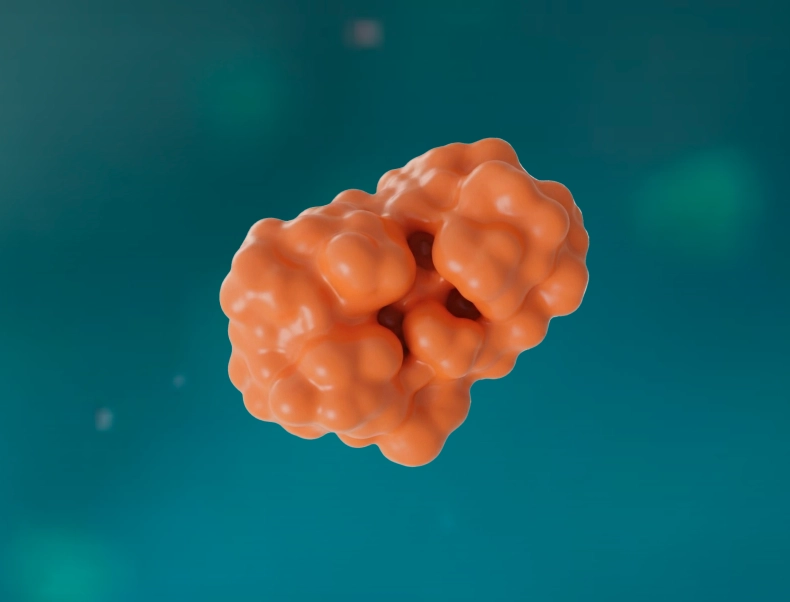
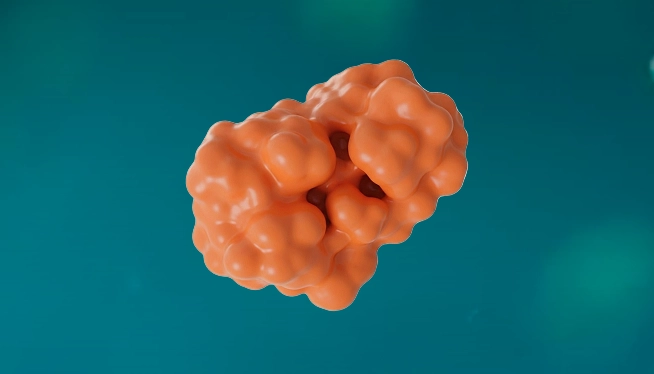
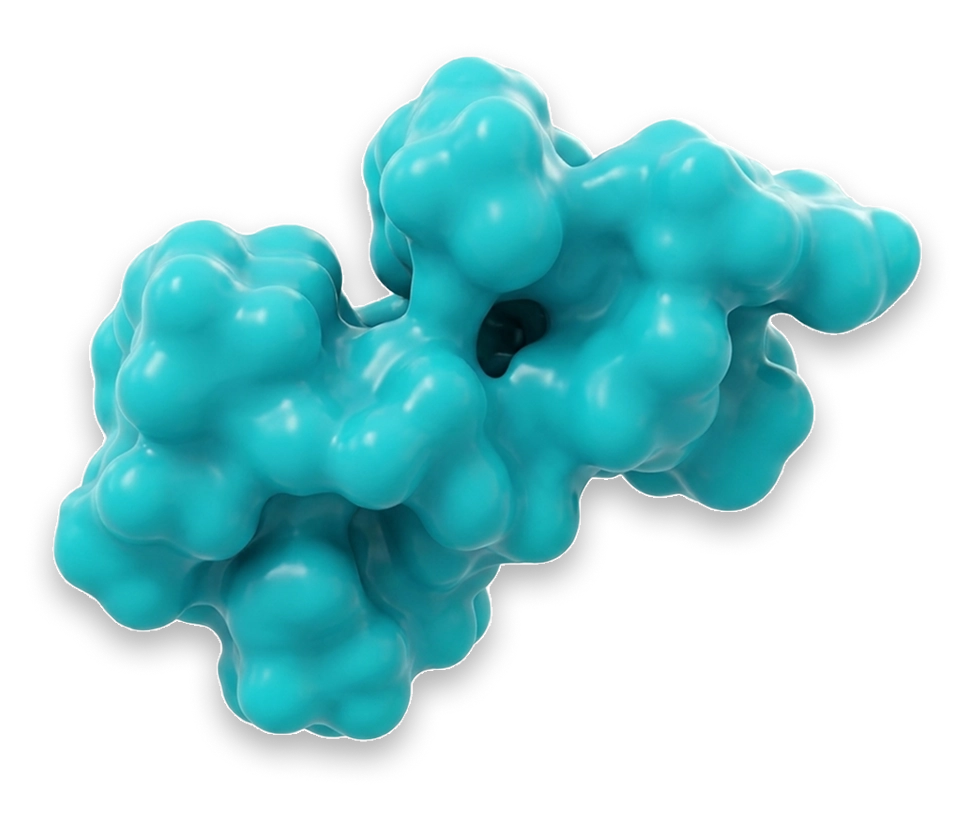
This is bradykinin.

This is bradykinin.

In most people, it’s simply an amino acid peptide with an important role to play. Bradykinin binds to B2 receptors on blood vessel walls, sending a message for those vessels to widen and become more porous. In the case of physical trauma, injury, or infection, that can be incredibly useful, as it helps essential fluids get to where they’re needed most.
For people with HAE, it’s a very different story.

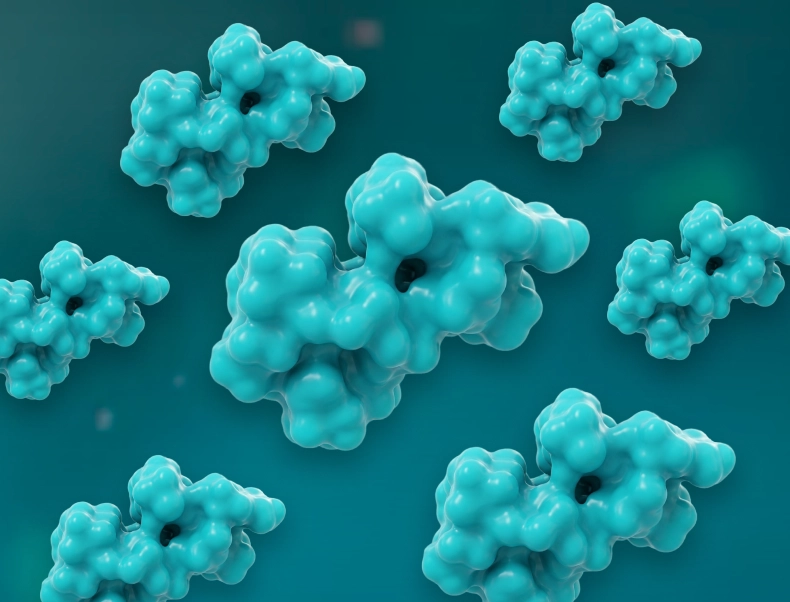
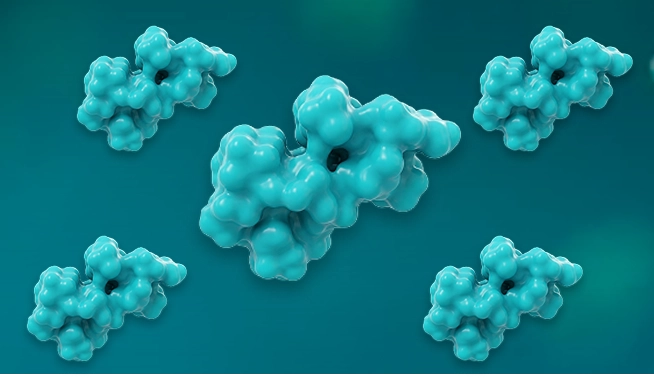
C1-INH doesn't work like it should.

C1-INH doesn't work like it should.

In people with HAE Type 1 and Type 2, C1-INH either is deficient or doesn’t function correctly, meaning the pathway it’s in charge of isn’t properly controlled.

This means bradykinin is produced in excess.

This means bradykinin is produced in excess.

When C1-INH isn’t working properly, the enzyme plasma kallikrein becomes hyperactive, leading to excess bradykinin levels.

Excess bradykinin causes HAE attacks.

Excess bradykinin causes HAE attacks.

When there is too much bradykinin, overactivation of the B2 receptor causes too much swelling. This is where HAE attacks are triggered.

HAE, hereditary angioedema.

Discover the burdens people with HAE must live with, and the additional complications for women and adolescents.

Uncover the burdens of living with HAE.
Join us in finding a path beyond the burdens of HAE.